San Francisco de Analco
2026-06-06I’ve previously written about my family’s San Francisco, in Guanajuato state. It’s a town called San Francisco del Rincón, founded in the early 17th century as a república de indios, an “Indian republic.” This is the San Pancho my dad was born in and grew up in, the one I remember as a kid, and where I spent a bit of time as an adult.
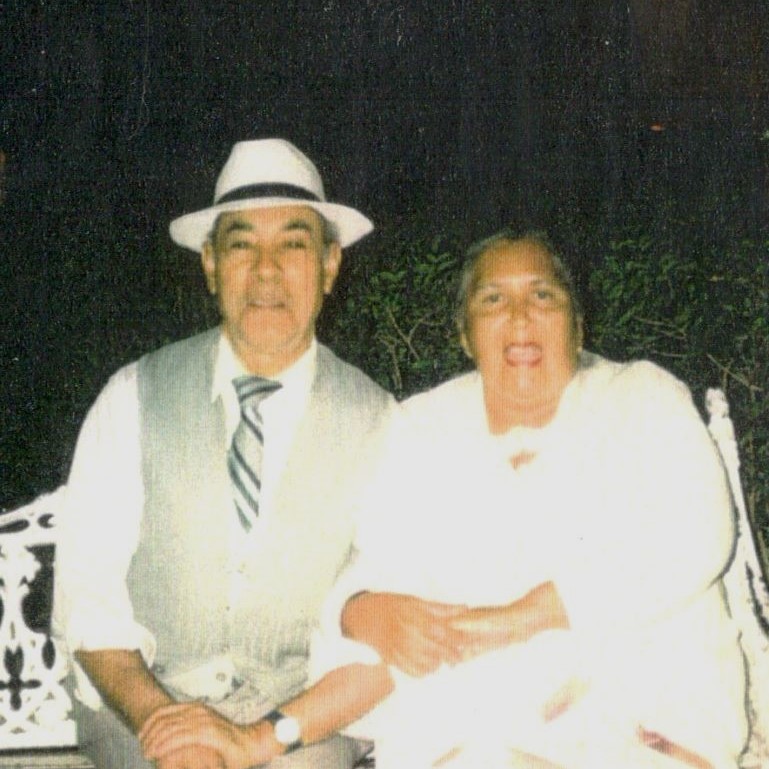
That San Pancho was the hometown of María Isabel, my grandma. My paternal grandfather, José Isabel, only arrived there in the 1930s. He hailed from San Felipe “Torres Mochas” (San Felipe of the Unfinished Church Towers), a smaller town farther north in Guanajuato state, outside of the Bajío lowlands. I don’t remember visiting San Felipe growing up and my grandfather did not talk about it much. It was mostly my dad and his siblings who mentioned it, usually when complaining about how mean my great-grandmother Nemesia was.
What I learned about San Felipe came much later, as I tried to piece together the history of our paternal surname. My grandpa was registered in 1917 as a Hernández, while his older brother was registered as a Hernández Cubillo, as was his dad. This Cubillo appears and disappears over generations of my paternal lineage, well into the 18th century.
During these many generations, my family lived in the same house, across from the Jardín del Pueblito, today’s Jardín Serdán, next to the Templo de la Soledad. And it was there, at the turn of the 18th century, that San Felipe’s history became more complex in a familiar way.
Like many towns along the silver route known as the Camino Real de Tierra Adentro, San Felipe was established as a defensive position by the Spanish in the mid-16th century. This was 30-40 years after the fall of Tenochtitlán, and when Spaniards were still a tiny minority in what is now Mexico. Effective exploitation required an Indigenous workforce and so the república de indios, partly developed out of the pre-Columbian polities known as altepetl, was created as a formal legal entity.
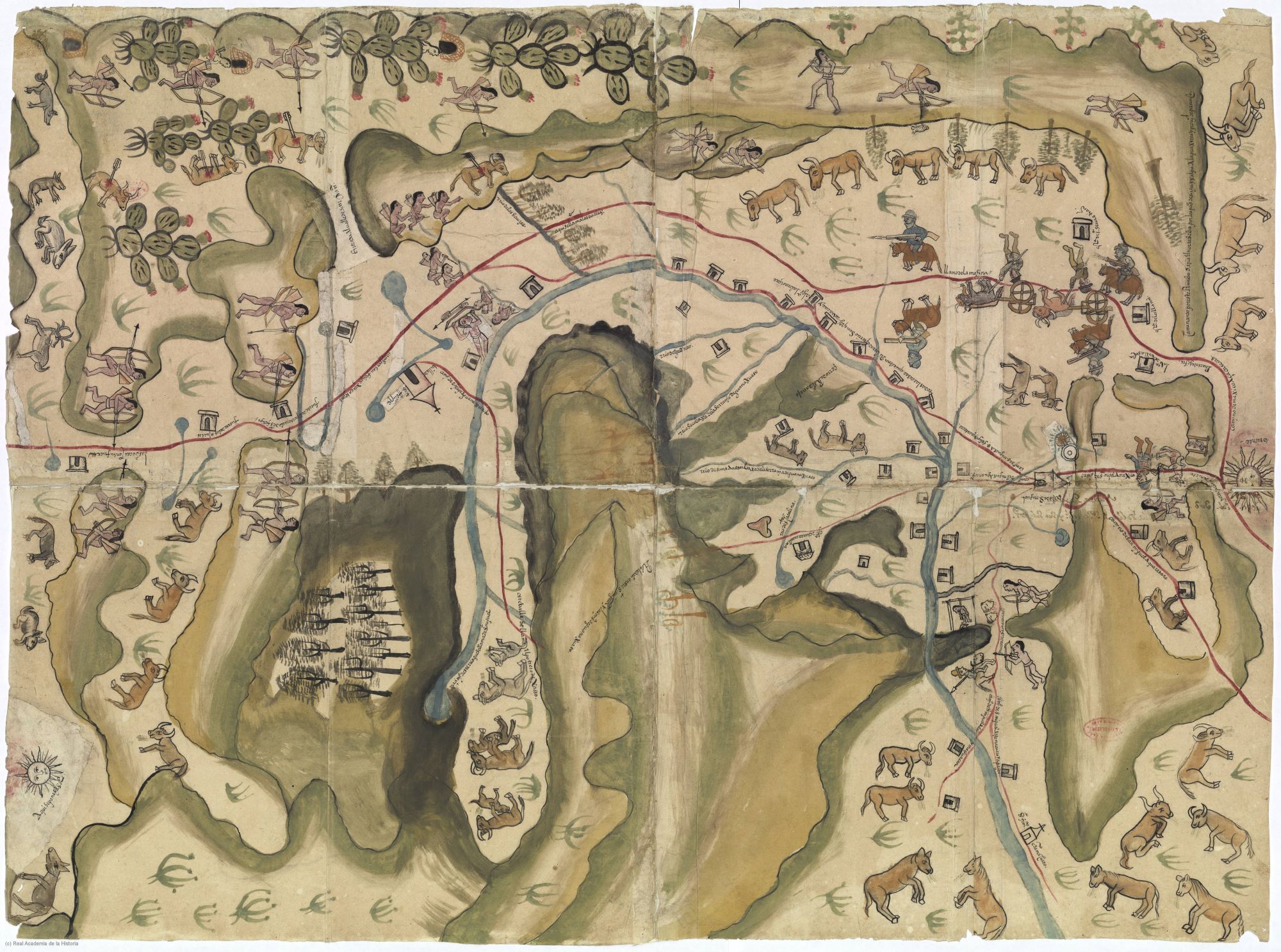
At its founding, San Felipe was established on the north bank of El Cocinero river. This was the villa de españoles. A corresponding república de indios, San Francisco de Analco, was created across the river, with analco meaning “on the other side of the water” in Nahuatl.
And it was around the very same Jardín del Pueblito my family lived in for generations that San Francisco de Analco developed from 1561. My family were artisan cobblers when Analco rebelled against the Spanish colonial authorities in 1767. It was at Analco’s Templo de la Soledad that Miguel Hidalgo y Costilla, the father of Mexican (and therefore Californian) Independence, preferred to celebrate Mass between 1793 and 1803, when he was San Felipe’s parish priest.
My father’s cousins sold off the house about a decade ago, after more than 230 years in the family. Analco, the town, is not physically part of our lives anymore. But the impact of this semi-autonomous Indigenous political community lives on. The Hernández Cubillo family had a trade and lived in an Indigenous pueblo-republic at a time when most Indigenous people lived under the tutelage of the Spanish crown. Analco had Indigenous governors, communal lands, and an ability to take legal action against the worst Spanish abuses.
I think that heritage allowed my great-great-grandfather to become a musician, my great-grandfather to become a school teacher, and his son (my grandfather) to follow in his footsteps. Analco’s history mirrors the history of my grandmother’s San Francisco, where her family also had agency over their lives through the colonial period.
I like to believe that all that history made it easier for my dad to go to university in Mexico City and eventually get an engineering doctorate abroad. It all made it possible for me to move to this San Francisco, and live among the towers of Rincón Hill. Our two San Francisco Indigenous pueblo-republics made our own labyrinth of solitude a bit easier to navigate. ⸎
— Your Correspondent accepts and appreciates Stripe Donations. —